How can we help you?

Get to know us, discover what we do and start the conversation.

Request a call back
Request a call back

    We're here.

    Leave your details below and we'll do the rest.

    One of our team will be in touch soon.


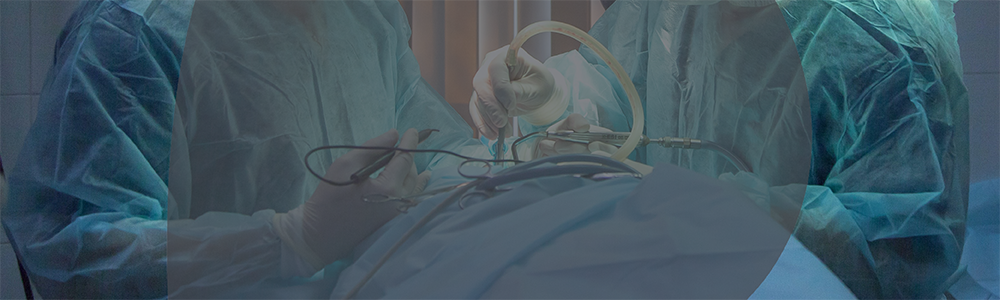
    A crowded operating room with surgeons in green scrubs and operating

    How do I know if my surgery was negligent?

    A surgical error occurs when a medical professional makes a mistake or there is an omission during an operation or during recovery from surgery. The actions of the surgeon or other medical professional must fall below the reasonable standard expected and the negligence must result in unnecessary injury or illness.

    The quality of surgical expertise within the UK is high and the majority of operations are successfully, and often lifesaving. But highly trained and experienced surgeons can make mistakes. This does not mean it will lead to a compensation claim, but it is important to check your legal rights to find out what went wrong and to see if you can get financial support. To find this out, simply get in touch with us.

    How long do I have to make a compensation claim for surgical negligence?

    Any claim for surgical negligence compensation should be made within three years of the date the negligence happened or the date when you first became aware of the negligence. There are exceptions to this time limitation, and it is best to check with our specialist medical negligence solicitors.

    We would always recommend contacting us as soon as possible after you become aware or believe your surgery may have been negligent and caused unnecessary injury or illness. Our expert medical negligence solicitors will always be happy to talk to you in confidence and with no obligations.

    Examples of surgery negligence

    Our clinical negligence solicitors have many years of experience supporting families in the aftermath of surgical negligence. While every compensation claim for negligent surgery is different, there are common cases that our specialist solicitors regularly see. These include:

    • Foreign objects left inside the body, such as swabs or surgical tools
    • The wrong type of operation is performed
    • Surgery is performed on the wrong part of the body
    • Other parts of the body are unnecessarily damaged during the surgery, such as nerves, arteries, spleen, liver, bowel and bladder
    • Anaesthetic mistakes are made, such as the patient is awake or partially awake during surgery
    • A patient has not given fully informed consent for the operation
    • Failure to properly monitor vital signs during and after surgery
    • Brain or spinal damage during surgery
    • Death

    Negligence after surgery

    The care you or a family member receives after an operation is just as important as the operation itself. If mistakes are made in post-operative care, the outcome can be just as devastating as a negligent surgical procedure.

    Poor care could be as simple as a failure to adequately monitor and record a patient’s heart rate, bloods or how much water they have drunk (hydration). Common cases that our expert solicitors have worked on include:

    • Excessive blood loss (haemorrhaging)
    • Infections that lead to conditions such as sepsis
    • Blood clots, such as a failure to administer anticoagulants (blood thinning drugs)
    • Failure to identify and act on a rapid drop in blood pressure causing shock

    With regular observation and recording a potential post-operative issue can be identified if signs of deterioration occur and treated swiftly. A doctor or nurse may be negligent in failing to take reasonable steps to reduce the chances of complications after surgery.

    If you believe that you or a loved-one has received poor post-operative care or a mistake was made after an operation, which resulted in unnecessary injury or illness, then you might be able to claim compensation to support your future.

    How do I pay for a surgical negligence compensation claim?

    If you have a good case for a compensation claim, then in the vast majority of cases we will work with you under a conditional fee agreement (CFA), which is more commonly known as a ‘no win, no fee’ agreement.

    This means that if the case for compensation is unsuccessful, you will not have to pay our legal costs for the investigation. You will not be left out of pocket.

    If the compensation claim is successful, then reasonable legal costs and a portion of the legal insurance premium will be paid by the defendant’s insurance company or NHS Trust.

    What do I do next if I believe I have received negligent surgery or post-operative care?

    It is vital for you to speak to one of our specialist clinical negligence solicitors as soon as possible. We will give you free initial advice, in confidence and without any obligation. Our solicitors will talk to you about your operation, what has happened, whether you have a case for compensation, and how to proceed.

    Did you know?

    Between 1 April 2022 and 31 March 2023, there were 169 instances of surgery being conducted at the wrong site on a patient's body, according to statistics released by NHS England.

    Read our latest blogs

    What our clients say about us

    Talk to us

    For free and confidential initial advice about Medical Negligence and surgical negligence compensation claims simply call, email or request a call back. One of our experienced and approachable Clinical Negligence solicitors will be happy to chat.

    0800 988 1548
    enquiries@alderstonesolicitors.co.uk
    Request a call back
    A young woman in a yellow top, walking and talking on her mobile phone